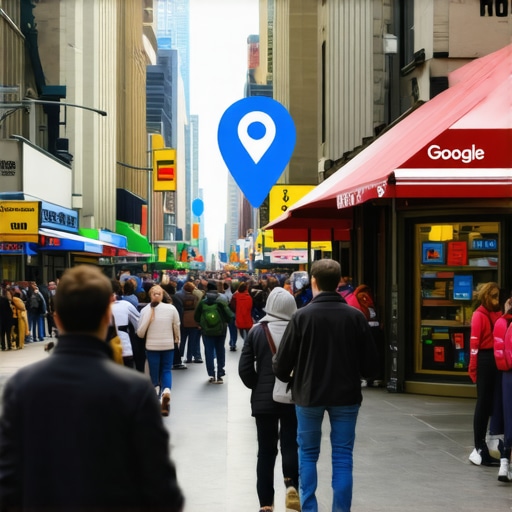
Best Local Business SEO NYC Tips to Boost Google Maps Rankings
Ever spent hours trying to get your storefront noticed online, only to realize you’re invisible on Google Maps? I’ve been there. One moment, my business was thriving locally, and the next, it felt like I dropped off the digital radar. It’s frustrating, confusing, and honestly, a little disheartening. But here’s the truth—your visibility on Google Maps isn’t about luck; it’s about strategy, especially in a competitive city like NYC.
Why Local SEO Is Your Secret Weapon in NYC
New York City is a beast of a market. With thousands of businesses vying for the same local customers, standing out isn’t just a bonus—it’s a necessity. The real challenge? Most business owners overlook the power of proper Google My Business (GMB) optimization and local SEO tactics. I made that mistake early on. I thought listing my business was enough. Spoiler: It’s not. According to a study by Google, 76% of people who search for something nearby visit a business within a day. That’s a huge chunk of potential customers, just waiting to find you if you play your cards right.
Today, I’ll walk you through proven strategies to elevate your Google Maps presence, so you can attract more local traffic and grow your business. Whether you’re a restaurant, boutique, or service provider, these tips are designed to help you dominate your local market. Ready to stop being invisible and start being found? Let’s dive into the core tactics that transformed my local visibility—and can do the same for you.
Is Local SEO in NYC Actually Worth the Effort?
When I first started, I was skeptical. The idea of spending time on SEO seemed complicated and just another marketing trend. I also made a costly mistake early on—ignoring consistent updates to my GMB profile. That’s a common slip-up I see others make, and it hampers results. But I learned that with the right focus, local SEO isn’t just worth it; it’s essential. If you’re still doubting, check out this guide for a detailed breakdown of why local SEO is the cornerstone of NYC business success.
In the next sections, I’ll share the specific tactics I used to climb Google Maps rankings, from optimizing your profile to leveraging local reviews and citations. If you’ve faced the problem of being lost in the local crowd, don’t worry—you’re not alone. And more importantly, you’re about to learn how to turn that around.
Get Your Google My Business Profile Perfected
Start by claiming and verifying your GMB listing. Make sure all information is accurate and complete, including your business name, address, phone number, and hours. Think of your GMB profile as your storefront window; it needs to be inviting and trustworthy. Upload high-quality images of your business, services, and products to create a compelling profile. Regularly update your profile with fresh content, special offers, or news to signal activity to Google. This ongoing maintenance is like watering a plant—neglect it, and it withers.
Optimize Your Business Description and Categories
Use clear, keyword-rich descriptions that highlight what makes your business unique. Incorporate local keywords naturally—think of keywords as signposts guiding Google to understand your business. Select the most relevant categories, but don’t overdo it. Accurate categories act like a map, guiding local searches directly to you. For detailed insights, check out this guide.
Harness the Power of Local Reviews
Reviews are social proof that your business delivers. Encourage satisfied customers to leave positive reviews, and respond to each one promptly. Think of reviews as your digital word-of-mouth—more positive voices boost your credibility and rankings. Address negative reviews professionally; they’re opportunities to show your commitment to customer satisfaction. An active review profile signals to Google that your business is popular and trustworthy. I once personally reached out to a customer who left a neutral review, which turned into a glowing five-star after resolving their concerns. It was messy but worth it.
Implement Local Citations and Consistency
Ensure your business info is consistent across all online directories—Yelp, Facebook, Bing Places, and niche sites. This consistency is akin to having the same address on all your business cards—it builds trust for Google and users alike. Use your exact business name, address, and phone number every time. Citations serve as backlinks for your local presence, reinforcing your authority. For a comprehensive citation strategy, explore this resource.
Leverage Local Content and Links
Create content that resonates with your NYC community—blog posts about local events, partnerships, or neighborhood news. Local backlinks from community sites, local news outlets, and partnerships can dramatically improve your rankings. Think of backlinks as endorsements; the more reputable the source, the higher your authority. I once collaborated with a local NYC charity, earning a backlink that boosted my local search visibility significantly. It was a messy process—lots of outreach emails—but the result was worth it.
Monitor, Analyze, and Adjust
Use tools like Google Analytics and GMB Insights to track your performance. Pay attention to search queries, local calls, and direction requests. Adjust your strategies based on data—if a keyword isn’t performing, refine it. Regularly check your rankings using tools like this guide. SEO is a marathon, not a sprint; consistent effort and adaptation are key.
Many business owners believe that simply having a Google My Business (GMB) profile is enough to rank high on Google Maps. However, this is a dangerous misconception. The truth is, most people overlook the nuances that actually influence local rankings. For example, there’s a widespread myth that keyword stuffing in your business description helps you rank better. In reality, misleading or spammy practices can get your profile suspended or penalized, damaging your local visibility instead of boosting it. Google’s algorithms are becoming increasingly sophisticated, prioritizing genuine relevance and user engagement over keyword density.
Another common mistake is relying solely on reviews without addressing the quality and authenticity of those reviews. While reviews are crucial, fake or incentivized reviews can harm your credibility and risk penalties. Google’s recent updates, supported by a study from Moz, emphasize the importance of authentic customer feedback. Responding professionally to negative reviews and encouraging honest positive ones builds trust and improves your rankings naturally.
Are Citations the Secret to Local SEO Success?
Many believe that accumulating citations across every local directory is a surefire way to dominate local search. While citations are important, quantity without quality can backfire. Focus on consistent NAP (Name, Address, Phone Number) data across reputable sites. Inconsistent or outdated information signals to Google that your business might be unreliable or even fake. Moreover, over-citation on low-quality or spammy directories can dilute your SEO efforts. Prioritize authoritative sources like local directories, industry-specific sites, and niche platforms. This strategic approach, supported by experts like Moz, ensures that citations boost your credibility rather than harm it.
Have you ever fallen into this trap? Let me know in the comments. Remember, effective local SEO isn’t about quick wins but building a trustworthy, optimized presence that Google recognizes and rewards. For more advanced insights, check out this guide to local SEO tactics tailored for NYC businesses.
Keep Your Local SEO Strategies Sharp with the Right Tools
Maintaining your Google Maps rankings and local SEO presence over time requires the right mix of tools, regular monitoring, and strategic adjustments. From my experience, using dedicated software like BrightLocal or Whitespark has been game-changing. These tools help track rankings, identify citation inconsistencies, and analyze review sentiment, giving me a comprehensive view of my local SEO health. I personally rely on BrightLocal for its local rank tracking and citation management features; it allows me to see real-time changes and respond swiftly to fluctuations. Whitespark, on the other hand, excels at finding new citation opportunities and verifying existing ones, ensuring consistency across directories. These tools are vital because they automate what would otherwise be a tedious manual process, saving time and reducing errors.
In addition to rank tracking, maintaining your Google My Business (GMB) profile demands ongoing attention. I recommend using Google’s own tools, like GMB Insights, to monitor how customers find your listing and what actions they take. Regularly updating your profile with fresh photos, posts, and responding to reviews is essential. For content management, tools like Hootsuite or Buffer can streamline your posting schedule, ensuring your profile remains active and engaging. Consistency in your updates signals to Google that your business is vibrant and trustworthy, which directly impacts your rankings.
It’s also worth investing in local citation audits. Using Moz Local or SEMrush allows me to scan my business info across hundreds of directories for discrepancies. Fixing inconsistent NAP data is crucial; even minor typos can hurt your trustworthiness in Google’s eyes. I’ve learned that proactive citation management prevents ranking drops caused by outdated or conflicting information. Remember, local SEO isn’t a set-it-and-forget-it task. It’s an ongoing process that benefits immensely from automation and regular review.
How do I maintain my Google Maps Rankings over time?
The key to long-term success lies in continuous effort. Set a monthly routine to review your rankings, update your GMB profile, and clean up citations. Keep an eye on customer reviews—respond promptly and professionally to maintain your reputation. Utilize analytics tools to identify which keywords or local queries are driving traffic and adapt your content accordingly. As local search algorithms evolve, staying informed through resources like this guide can give you a competitive edge. Remember, consistent maintenance and leveraging the right tools will keep your business visible and thriving in NYC’s competitive landscape.
Lastly, consider investing in a local SEO audit from Manhattan SEO Services. They can provide tailored insights and help refine your strategy for sustained growth. As the trend towards AI-driven search continues, embracing automation and data-driven decisions will be crucial for staying ahead in the NYC market. Don’t wait until rankings drop—start implementing these tools and routines today, and watch your local visibility grow steadily.
Three Lessons That Changed My Approach to Local SEO
- Consistency Over Quick Fixes: I used to obsess over short-term tactics like keyword stuffing or buying reviews. The real breakthrough came when I focused on maintaining a consistent NAP across all platforms and regularly updating my GMB profile. It’s like tending a garden—steady care yields better results than quick bursts of effort.
- Authentic Engagement Matters: Responding to reviews, especially the negative ones, transformed my relationship with customers. Genuine interactions build trust and signal to Google that my business is active and trustworthy. I realized that reviews aren’t just social proof—they’re part of my ongoing reputation management.
- Local Content Is a Game-Changer: Creating blog posts about local events, neighborhood highlights, or collaborations with nearby businesses opened new backlinks and engaged the community. It’s about embedding your brand into the local fabric, making Google see you as a vital part of the neighborhood.
My Top Tools for Local SEO Mastery
- BrightLocal: This platform helps me track rankings, audit citations, and analyze reviews all in one place. Its comprehensive reports save me time and help me adapt quickly.
- Whitespark: When I need new citation opportunities or want to verify existing ones, Whitespark is my go-to. Its local citation finder pinpoints authoritative directories where I can strengthen my presence.
- Google My Business Insights: The built-in analytics give me immediate data on how customers find and interact with my profile, guiding my ongoing updates and responses.
- SEMrush: For keyword research and competitor analysis, SEMrush provides insights that keep my local content relevant and competitive.
Believe in Your Power to Grow
Taking control of your local SEO in NYC isn’t just about rankings; it’s about building a community presence that lasts. Every positive review, every accurate citation, and every piece of local content adds up. Start small, stay consistent, and watch your visibility soar. Your journey to dominating Google Maps in NYC begins today—don’t wait for results, create them.
What’s the one local SEO tactic you’re excited to try first? Drop your thoughts below—I’d love to hear your plan to boost your Google Maps presence!
Leave a Reply